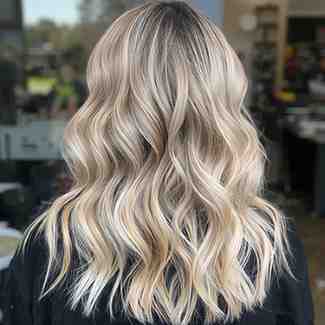
Shag Haircut Guide 2025: Best Styles, Layers & Trendy Looks
THE ULTIMATE 5000-WORD GUIDE TO THE SHAG HAIRCUT (2025 EDITION)

INTRODUCTION
Every year, a handful of hairstyles manage to dominate fashion magazines, salon trend reports, and social media feeds. Some hairstyles appear quickly and disappear even faster, while others linger as timeless classics. But then there are haircuts like the shag styles that transcend decades, reinvent themselves for new generations, and remain one of the most expressive choices anyone can make for their hair.
The shag haircut isn’t simply a “style”; it’s a philosophy. It represents movement, individuality, artistic edge, and a kind of effortless coolness that doesn’t rely on heavy styling or perfect symmetry. Instead, the shag embraces the natural texture of hair—whether straight, curly, or wavy—and turns it into a feature rather than something to be controlled or flattened. In 2025, the shag haircut stands as one of the most versatile and inclusive hairstyles, able to adapt to any face shape, any length preference, and any personal aesthetic. Also readhttps://thebeautyduty.com/2025/11/13/burberry-her-perfume-blog/

This mega-guide is designed to explore the shag haircut from every angle. You’ll learn where it came from, why it became a cultural icon, how it evolved into its modern forms, and what makes it one of the most technically interesting cuts in the hair world. We’ll explore every version of the shag—long, short, curly, wolf, butterfly, modern razor, French shag, and more—with detailed explanations that help you understand what makes each type unique. You’ll also find practical tips for choosing the right shag for your face shape and hair type, styling advice for daily wear, and long-term maintenance techniques that keep your shag looking amazing without constant salon visits.
This is not a short article or a surface-level blog post. This is a full 5000-word master breakdown, giving readers everything they need in one place. Whether you’re a blog owner trying to rank for “shag haircut,” a stylist studying the form, or someone considering the cut for yourself, this guide offers depth, clarity, and an easy reading flow.
THE ORIGINS OF THE SHAG HAIRCUT

The shag haircut traces its roots back to the early 1970s, a decade defined by cultural shifts, experimentation, and a breakaway from the polished, controlled beauty standards of previous years. The world was changing rapidly—music, art, fashion, and social beliefs were all moving toward individualism and artistic freedom. The shag haircut emerged as a visual expression of that freedom.
The cut was first introduced by hairstylist Paul McGregor, who designed the iconic shag for Jane Fonda’s character in the film Klute. Fonda’s hair in the movie was unlike the structured, curled, voluminous styles that had defined the 60s. Instead, it had movement, lightness, and a slightly rebellious edge. The layers feathered outward instead of being tucked in; the fringe looked natural and unstructured; the shape created an effortless flow instead of a rigid silhouette. This haircut didn’t just complement Fonda’s character—it reshaped hairstyling trends.
Within a year of the movie’s release, the shag was everywhere. Rockstars embraced it. Actors embraced it. Young people across the world saw the shag as a way to stand out without trying too hard. Compared to the clean lines of other styles of the era, the shag was refreshing because it didn’t depend on perfection. The layers didn’t need to sit exactly the same way every day. In fact, the more naturally messy it looked, the better.

Part of the shag’s appeal was its ability to suit both men and women. Musicians like David Bowie, Mick Jagger, and Rod Stewart wore shags that looked wild and artistic, contributing to the cut’s unisex reputation. Bowie’s shag-mullet hybrids pushed boundaries, while Jagger’s classic soft shag added coolness to his persona. It became clear that the shag wasn’t just a haircut—it was a cultural symbol.
THE SHAG IN THE 21ST CENTURY: WHY THE TREND RETURNED
The shag faded slightly in the late 80s and 90s when sleeker and more structured hair took over, but by the late 2010s and early 2020s, the cut made a massive comeback. One of the biggest reasons the shag returned is because of today’s shift toward embracing natural hair textures. People are tired of spending hours straightening, curling, blow-drying, or fighting frizz. The shag supports the natural pattern of the hair instead of working against it.

Another major reason for its resurgence is social media. Apps like Instagram and TikTok created fast-paced trend cycles, making certain hairstyles go viral almost instantly. In particular, the wolf cut—a shag-mullet hybrid—spread like wildfire among teens and young adults. Because of its dramatic and expressive look, the wolf cut became the perfect haircut for people seeking individuality.
In addition, hairstylists today have better cutting techniques than their counterparts in the 1970s. Modern razors, slicing methods, dry-cutting techniques, and curl-specific approaches allow for softer transitions and more personalized shapes. This means today’s shag haircuts can be tailored to anyone, no matter their hair type or aesthetic preference.

Most importantly, the shag is low-maintenance. In a world where many people juggle work, school, creative projects, and social lives, a haircut that looks good even when you’ve just rolled out of bed is incredibly appealing. With minimal effort—sometimes none at all—a shag can fall into place naturally because the layers are designed to work with gravity, not against it.
WHAT DEFINES A SHAG HAIRCUT?
A shag haircut is more than a bunch of layers. It has a recognizable structure that differentiates it from layered cuts, butterfly cuts, and traditional mullets.
Here are the defining characteristics of a true shag:
- Short layers at the crown
- Longer layers toward the bottom
- Wispy, feathered ends

- A face-framing shape
- Optional bangs (curtain, bottleneck, or full fringe)
- Movement and texture
- A naturally tousled finish
- Works with heat or without styling
The top portion of the hair is usually heavily layered to add volume. This creates lift at the crown, which prevents the hair from lying flat. These top layers blend into longer, softer layers through the mid-lengths, which give the hair its recognizable movement. Because the ends are feathered or textured rather than blunt, the silhouette feels weightless and dynamic.
The front of the cut often features bangs or face-framing pieces that soften the transition around the face. The inclusion of bangs is common but not required; many modern shags look incredible with no fringe at all.
What makes the shag different from a regular layered cut is the distribution of layers. In a layered haircut, the layers are more uniform and balanced throughout the hair. In contrast, a shag concentrates its shortest layers at the top and face, giving the hair a cascading effect that feels more dramatic yet effortlessly natural.

EVERY TYPE OF SHAG HAIRCUT (THE COMPLETE 2025 COLLECTION)
Because of its adaptability, the shag haircut evolved into dozens of variations. Below is an in-depth look at the most popular and modern versions of the shag, each with unique characteristics.
THE CLASSIC 1970s SHAG
This style mirrors the original version made famous by Jane Fonda and various rock icons. It features strong layering, curtain bangs, and light, flicked-out edges. The top is full and bouncy, while the bottom has a slightly frayed appearance. This cut thrives on natural movement and requires very little styling.

THE MODERN SHAG
The modern shag is softer, smoother, and more polished than the classic version. While it still includes noticeable layering, the transitions are blended more gently. This cut can be customized for any hair type and any length, making it one of the most universally flattering options. The modern shag often pairs well with soft curtain bangs.
THE CURLY SHAG
Curly shags are specifically tailored for natural curl patterns. Stylists use dry-cutting techniques to shape curls individually. The layers remove bulk and create a rounded shape without causing triangle frizz. This cut enhances curl definition and allows curls to spiral freely.
THE WOLF CUT
The wolf cut became one of the most viral hairstyles on TikTok. It’s a dramatic combination of a shag and a mullet, with lots of volume on top and a tapered, wilder bottom. It’s bold, edgy, and expressive, making it ideal for people who want a visually striking style.

THE SHAGGY BOB
This short shag is great for those who prefer minimal length. The shaggy bob features choppy ends and soft layering around the face. It’s lightweight, cool-toned, and perfect for fine hair, as it adds body without effort.
THE MIDI SHAG
The midi shag hits around shoulder length and strikes a perfect balance between edgy and wearable. It features medium layering, soft movement, and a casual flow. It’s ideal for people who want a low-maintenance style that still looks trendy and dimensional.

THE LONG SHAG
The long shag maintains length while incorporating layering mainly around the face and crown. It’s designed for people who don’t want to sacrifice length but still want the movement and texture of a shag. This cut works beautifully for thick hair.
THE BUTTERFLY SHAG
A hybrid between the butterfly cut and the shag, this version includes long wings that frame the face. These shorter layers create bounce, while the longer layers maintain flow. It’s a glamorous, feminine style that works for many hair types.
MATCHING THE SHAG TO YOUR FACE SHAPE
The best haircut complements the natural shape of your face. Because shags are flexible, they can be tailored to suit any face shape with just a few adjustments.
Round Face
The most flattering shag for a round face includes long layers and a mid-length or long silhouette. Avoid heavy layers around the cheeks, as this can exaggerate width.

Oval Face
Oval faces can wear virtually any shag variation—short, medium, curly, or long. The proportions of the oval face harmonize naturally with the shag structure.
Square Face
Soft layers and feathered edges work beautifully for square faces. Opt for curtain bangs or wispy fringe to soften angular jawlines.
Heart Face
Heart-shaped faces benefit from chin-length movement, which balances the width at the forehead. Bottleneck bangs or gentle curtain bangs work extremely well.

Long Face
Choose a shag that adds width at the sides. Avoid too much height at the crown, as this can lengthen the face further.
SHAG HAIRCUTS FOR DIFFERENT HAIR TYPES
Hair texture plays a huge role in how a shag sits and moves, making this section especially important for anyone considering the cut.

Straight Hair
Straight hair benefits from razor-cut shags, as these create dimension and movement. Without natural texture, styling products like sea salt spray help add grit.
Wavy Hair
Wavy hair and shag cuts are a match made in heaven. The layers enhance the natural S-pattern, creating effortless movement.
Curly Hair
Curly shags require a stylist who understands curl patterns. Proper layering prevents frizz and adds definition, volume, and shape.
Coily Hair
Coily hair looks stunning in shag variations because the structure supports shrinkage, creating a beautiful silhouette.
Thick Hair
Thick hair often feels heavy, but shag cuts remove bulk while maintaining shape, making the hair feel lighter and more dynamic.

Fine Hair
Shorter shags are ideal for fine hair, as they create volume and prevent flatness.
HOW TO STYLE A SHAG HAIRCUT
Styling a shag depends on your natural hair texture, but the goal is always the same: enhance movement without weighing the hair down.
Everyday Styling
Most people with shags find they don’t need heat styling. Instead, they rely on air drying, scrunching, or diffusing. Light mousses and creams help define texture without stiffness.
Heat Styling for Special Occasions
A round brush adds bounce, while a curling wand can create soft waves. Flicking out the ends gives the hair a retro feel.
Curly and Wavy Styling Techniques
People with textured hair often use plopping, diffusers, and curl-defining products. The shag’s layers help curls fall into shape more naturally.

MAINTENANCE & CARE
Shags require far less maintenance than many other layered cuts. Most people only need to trim their shag every 8–12 weeks. Lightweight products are essential, as heavy oils or creams can flatten the layers.
Maintaining hydration is key, especially for curly and wavy hair. Shags grow out gracefully, becoming softer and more lived-in over time.
CELEBRITIES WHO SHAPED THE SHAG TREND
Celebrities play a huge role in keeping the shag relevant. Stars like Billie Eilish, Miley Cyrus, Jenna Ortega, Taylor Swift, Zendaya, and more have embraced various shag versions in recent years. These celebrities demonstrate how the shag can be adapted into edgy, soft, classic, or modern expressions. Also readhttps://thebeautyduty.com/2025/11/07/skincare-routine-order-step-by-step/

FREQUENTLY ASKED QUESTIONS
Is the shag haircut difficult to style?
Not at all. It’s one of the easiest haircuts to manage.
Can a shag suit thin hair?
Yes—especially shorter shags with strong layering.
Does a shag require bangs?
No. Many shags look great without fringe.
Is a shag suitable for curly hair?
Yes. Curly shags are one of the most popular variations.

FINAL THOUGHTS: IS THE SHAG RIGHT FOR YOU?
The shag haircut is more than a hairstyle. It’s a statement of individuality, creativity, and natural beauty. Its versatility makes it a timeless option that supports modern lifestyles, natural textures, and personal expression. From retro versions to ultra-modern hybrids, the shag offers endless possibilities.
Whether you want bold and dramatic or soft and romantic, short and edgy or long and flowing, there is a shag haircut designed for you.