
Acrylic Nails 2025: Styles, Care & Must-Know Tips
Acrylic Nails: The Ultimate Guide for Every Beauty Lover

Introduction
If you’ve ever scrolled through Instagram or TikTok and paused because someone’s nails looked too perfect to be real, chances are you were looking at acrylic nails. Whether it’s short and chic, long and dramatic, or covered in glitter and 3D designs, acrylic nails are the ultimate tool for hands that look polished, put-together, and effortlessly glamorous.
Yet, acrylics are also surrounded by confusion, myths, and conflicting salon experiences. Are they safe? Do they damage your natural nails? How do you maintain them? And are they worth the money and time?
In this massive guide, we’re diving into everything you need to know about acrylic nails. By the end, you’ll understand their application, benefits, risks, styles, trends, maintenance, removal, costs, and insider tips that nail techs wish clients knew. Also readhttps://thebeautyduty.com/2025/11/15/preppy-skincare-minimalist-routines-glowing-skin/

What Are Acrylic Nails?
Acrylic nails are artificial nail extensions made by mixing a liquid monomer and powder polymer, forming a moldable paste that hardens into a durable nail layer. They can be applied over your natural nail for strength, or on nail tips and forms for extra length and custom shaping.
Unlike gel nails, which need UV or LED lamps to cure, acrylic nails harden naturally in the air. Once applied, they provide a long-lasting, strong base that can hold nail polish, rhinestones, 3D art, or any type of embellishment.
Acrylics are popular because they combine function and fashion. They protect weak nails, allow for instant length, and serve as a canvas for creative designs. Unlike natural nails, which can be brittle or short, acrylics are a consistent, reliable option for beautiful hands.
Why Acrylic Nails Are So Popular

Acrylic nails have remained a staple in beauty for decades because they offer solutions that natural nails cannot.
Firstly, acrylics are extremely strong and durable. For people with naturally soft or brittle nails, acrylics provide a protective layer that allows normal daily activity without worrying about breakage. Typing, cooking, or even minor household chores no longer pose a threat to your nail length.
Secondly, they provide instant length and uniformity. Uneven or short nails are instantly transformed into beautifully shaped, proportional nails. The result is hands that look elegant and polished without waiting months for natural growth.
Acrylic nails are also perfect for self-expression. They can be sculpted into numerous shapes—square, almond, coffin, stiletto, round, or even more creative styles like lipstick or heart-shaped nails. Beyond shape, acrylics hold nail art exceptionally well. Whether you want rhinestones, chrome effects, 3D flowers, or intricate hand-painted designs, acrylic nails provide a sturdy canvas that lasts longer than natural nails.
Finally, acrylics can boost confidence and help break nail-biting habits. Many people who bite their nails find acrylics act as a physical barrier while allowing them to enjoy length and style, creating a subtle but meaningful improvement in nail health over time.

Step-by-Step Acrylic Nail Application
Understanding the application process can make your first salon visit more comfortable and give you realistic expectations. Here’s the detailed breakdown:
Step 1: Nail Preparation
The technician starts by cleaning nails, removing old polish, trimming, and gently pushing back cuticles. The nail surface is lightly buffed to remove shine, ensuring proper adhesion of the acrylic layer.
Step 2: Primer Application
A nail dehydrator and primer are applied to reduce natural oils, which helps prevent lifting or premature wear. Skipping this step often leads to acrylics that peel within days.
Step 3: Tips or Forms
- Tips: Pre-made plastic extensions glued to the nail to achieve length.
- Forms: Flexible templates placed under the nail to sculpt custom length and shape.

Step 4: Applying the Acrylic
The technician dips a brush into liquid monomer and powder polymer to create a bead. This bead is placed on the nail and sculpted into shape. Precision is key here; poor technique can result in thick, uneven nails.
Step 5: Filing and Shaping
Once hardened, nails are filed to the desired shape and smoothness. Professional techs create nails that are proportional and aesthetically pleasing, avoiding bulkiness.
Step 6: Polish and Nail Art
Finally, nails are polished and decorated. Acrylics support almost any form of nail art, from simple French tips to intricate 3D designs, giving the nails a polished, professional look.
Tip for First-Timers: Always choose a reputable nail technician to avoid uneven application, excessive filing, or damage to natural nails.
Acrylic Nails vs Gel, Dip Powder, and Polygel

With multiple nail enhancement options available, it can be confusing to know what’s best. Here’s a clear comparison:
Acrylic Nails: Strong, durable, best for long extensions, excellent for detailed nail art.
Gel Nails: Softer, cured under UV/LED lamps, flexible, provides a natural glossy look.
Dip Powder: Lightweight, long-lasting, less odor than acrylics, ideal for medium-length nails.
Polygel: A Hybrid of gel and acrylic, strong yet flexible, combines durability with comfort.
Takeaway: If you want long-lasting, sculpted nails that hold nail art well, acrylics are the ideal choice. If flexibility and a lighter feel are priorities, gel or polygel may be better.
Benefits of Acrylic Nails

Acrylic nails offer benefits beyond just aesthetics.
First, they protect natural nails by providing strength and a shield against breakage. Second, they allow instant transformation in length and shape, which is perfect for people with short, brittle nails or uneven growth. Third, acrylics support creativity and customization, allowing intricate nail art that lasts longer than on natural nails.
Additionally, acrylics can act as a habit-breaking tool for nail biters and provide a confidence boost because polished, well-shaped nails improve the appearance of your hands instantly. Overall, acrylics combine practical benefits with beauty and personal expression.
Risks of Acrylic Nails
While acrylic nails are generally safe, there are potential downsides.
Nail Damage: Over-filing or improper removal can thin or weaken natural nails.
Chemical Sensitivity: Some individuals may react to the monomer liquids, leading to irritation or peeling around cuticles.

Fungal or Bacterial Infection: Lifted acrylics can trap moisture, creating a breeding ground for fungus.
Acetone Exposure: Removing acrylics often involves soaking in acetone, which can dry out nails and skin.
Pressure or Discomfort: Long acrylics can exert weight on the nail bed, sometimes causing pain if nails are hit or broken.
Pro Tip: Choose a skilled technician, maintain nails properly, and avoid DIY removal to minimize risks.
Maintenance and Care

Maintaining acrylic nails is the secret to keeping them looking flawless while protecting your natural nails. While acrylics are durable, they still require attention to prevent lifting, breakage, or dullness. The first and most important step is daily moisturizing. Your nails and cuticles thrive when hydrated, so applying cuticle oil every morning or evening ensures your natural nail beds stay healthy under the acrylic layer. Neglecting this can result in dry, brittle nails and even peeling around the edges.
Next, you should avoid using your nails as tools. This is a common mistake; acrylics are strong, but they are not indestructible. Opening cans, scratching surfaces, or picking at objects with your nails can cause chips or cracks. Protective gloves are also a must for cleaning, dishwashing, or any household chores involving chemicals or prolonged water exposure. Water softens the acrylic and increases the chances of lifting or breaking.
Regular salon visits are critical for refills and upkeep. Most professionals recommend a refill every 2–3 weeks, depending on your nail growth. Skipping refills allows the acrylic to lift, creating gaps where bacteria and moisture can collect, which can lead to infections. If you notice lifting before your scheduled refill, it’s best to get it addressed sooner rather than later.
Additionally, gently buffing rough edges at home can help maintain shape without causing damage, but over-buffing should be avoided. During your maintenance routine, keep an eye out for discoloration or unusual odor, which may indicate fungal growth — in that case, consult a professional immediately. Proper care ensures your acrylic nails remain strong, beautiful, and hygienic for their full lifespan.

Acrylic Nail Shapes and Styles
One of the most exciting aspects of acrylic nails is the ability to choose a shape that matches your personality and lifestyle. Acrylics allow you to sculpt virtually any shape, from subtle and practical to bold and statement-making.
Square nails are a timeless choice, perfect for those who want a clean, professional look. They work well for medium-length nails and are easy to maintain while still looking elegant. Coffin or ballerina nails are trendy and stylish, with a narrow tip that flares slightly at the end. This shape elongates the fingers and provides a larger canvas for nail art, making it a favorite for influencers and celebrities.
Almond-shaped nails are soft and feminine, mimicking the natural curve of the nail. They are perfect for those who want elegance without the dramatic length of stiletto nails. Speaking of which, stiletto nails are bold, edgy, and dramatic. Their pointed tips make a statement and are ideal for creative designs, though they may require extra care due to their vulnerability to chipping or breaking.
Round nails are understated, practical, and ideal for everyday wear. They suit short to medium lengths and give a natural, subtle appearance. Squoval nails, a hybrid of square and oval, combine style with durability, offering a versatile choice for both casual and professional settings.

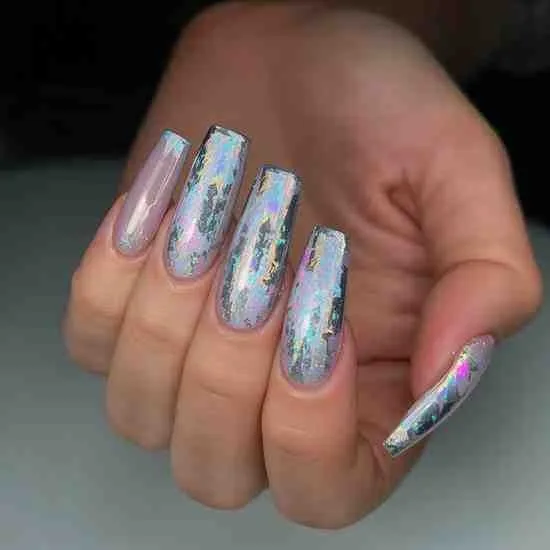
For those seeking something avant-garde, lipstick nails offer a unique angular twist inspired by fashion-forward trends. Nail trends for 2025 include minimalist micro-French designs, jelly or translucent colors, holographic foils, chrome metallic shades, ombre pastels, and intricate 3D floral accents. Acrylic nails provide the perfect base to experiment with these trends because of their strength and adaptability, ensuring that even complex designs stay intact.
Removal of Acrylic Nails
Safe removal is critical to prevent damage:

- File the shiny top layer to break the seal.
- Soak cotton pads in acetone.
- Place pads on nails and wrap with foil.
- Wait 15–20 minutes for the acrylic to soften.
- Gently push off the acrylic with a cuticle pusher.
- Buff lightly and moisturize with cuticle oil.
Important: Never peel or rip acrylics off, as this removes layers of your natural nail and causes damage.
Cost of Acrylic Nails (Global-Friendly)
- Full Set: $30–$120+, depending on region and salon.
- Refill: $20–$80+ every 2–3 weeks.
- Add-Ons (Gel, Nail Art, Rhinestones): $5–$50+.
- Removal: $10–$25.
Investing in a skilled technician is worth it for durability, hygiene, and professional results.
Myths vs Facts About Acrylic Nails
Acrylic nails are often misunderstood, and there are many myths floating around that can deter people from trying them. Let’s debunk the most common ones with facts you can trust.
Myth 1: Acrylics ruin your natural nails.
Fact: Acrylics themselves do not damage natural nails. The real culprit is poor application, over-filing, or improper removal. When applied correctly by a skilled technician, acrylics can protect weak nails and allow them to grow stronger underneath.

Myth 2: Acrylics are unhygienic.
Fact: Acrylic nails are perfectly safe if applied in a clean, sanitized salon. Reputable nail techs follow strict hygiene protocols, including sterilizing tools and ensuring the work environment is clean.
Myth 3: Acrylics prevent natural nail growth.
Fact: Acrylics do not stop nails from growing. Natural nails continue to grow under the acrylic layer. Maintaining proper hydration and regular refills ensures that nails grow healthy and strong.
Myth 4: Acrylics smell toxic.
Fact: While monomer liquids have a noticeable odor, this is not inherently harmful. Good ventilation in a salon reduces exposure and ensures safety during application.
Myth 5: Acrylics are only for dramatic looks.
Fact: Acrylics are fully customizable. They can be subtle and short for everyday wear or long and intricate for special occasions. They adapt to your lifestyle and personal style.
By understanding these facts, you can confidently enjoy acrylic nails without fear, knowing that proper application, maintenance, and removal are the keys to healthy, stylish nails. Also readhttps://thebeautyduty.com/2025/11/15/rare-beauty-highlighter-blog/

Aftercare Tips
- Apply cuticle oil daily.
- Keep your hands moisturized.
- Wear gloves when cleaning or using chemicals.
- Schedule refills on time.
- Avoid using nails as tools.
Frequently Asked Questions
Many people have questions before getting their first set of acrylic nails. Here’s everything you need to know in a friendly, influencer-style breakdown.

How long do acrylic nails last?
Acrylic nails typically last 2–4 weeks before a refill is needed. Proper care can extend their life slightly, but growth and wear naturally require maintenance.
Do acrylic nails hurt?
Acrylic nails should not cause pain. Mild pressure during application is normal, but any sharp pain may indicate a problem, such as excessive primer or incorrect nail sizing.
Can pregnant women get acrylic nails?
Yes, acrylic nails are generally safe during pregnancy, especially in a salon with proper ventilation. Avoid inhaling fumes directly by staying in a well-ventilated area.

Can acrylic nails break?
Yes, particularly if nails are very long or subjected to excessive force. Choosing a manageable length and proper shape reduces the risk.
Can thin or weak nails handle acrylics?
Yes, acrylics are ideal for weak nails because they provide strength and support. The key is a gentle application and regular maintenance to prevent stress on the natural nail.
Final Thoughts
Acrylic nails are more than a trend—they’re a tool for creativity, self-expression, and confidence. Done correctly, they protect natural nails, allow beautiful designs, and make hands look instantly polished. With proper care, skilled application, and safe removal, acrylic nails are a long-term beauty investment that is absolutely worth it.


