Best Hoka Shoes: Comfort, Performance & Style for Every Runner
Hoka Shoes: Comfort, Performance & Style for Every Runner

Introduction
In the vast landscape of athletic footwear, where every brand promises speed, stability, and comfort, Hoka shoes have managed to stand out as true innovators. What began as a niche idea among two French trail-running enthusiasts has now evolved into a global sensation. Founded in 2009 by Nicolas Mermoud and Jean-Luc Diard, Hoka was born from the need to make running feel effortless, even across the toughest terrains. While other companies were following the minimalist shoe trend, Hoka went in the opposite direction, introducing a revolutionary concept of “maximal cushioning.” Their idea was bold: instead of less foam, they gave runners more, allowing them to glide smoothly over the ground with minimal impact.
This daring move quickly caught the attention of long-distance runners who valued protection and comfort over lightweight minimalism. The name “Hoka One One,” meaning “to fly over the earth” in Maori, captured the brand’s vision perfectly. Over time, Hoka shoes transitioned from the trails to the streets, gaining fans among both elite athletes and everyday wearers. Their distinctive oversized midsoles and rocker-shaped soles became an instantly recognisable trademark, proving that innovation can challenge convention and redefine performance footwear. As the running community evolved, so did Hoka, becoming synonymous with comfort, durability, and scientific precision. Also readhttps://thebeautyduty.com/2025/10/15/leather-bomber-jacket/

The Science Behind the Cushion: Why Runners Swear by Hoka Shoes
What truly sets Hoka shoes apart from competitors is their foundation in biomechanics and material science. Every design choice is driven by data, motion studies, and real-world testing. The hallmark of their construction lies in three essential technologies: maximal cushioning, meta-rocker geometry, and the active foot frame. Together, these features provide unparalleled support, stability, and energy return. The maximal cushioning, made from lightweight EVA foam, absorbs shock efficiently and evenly distributes pressure across the foot. This reduces muscle fatigue and joint strain, allowing runners to train longer without discomfort. Many athletes describe running in Hoka as a “floating” experience because the shoes absorb impact while maintaining responsiveness.
Another defining feature is the meta-rocker design, a gentle curve built into the midsole that promotes smooth transitions from heel to toe. It helps maintain a forward momentum that feels almost effortless, especially during long runs or uphill climbs. The active foot frame adds another layer of innovation by cradling the heel and arch within the shoe rather than simply resting the foot on top. This design enhances balance and stability, making Hoka shoes an excellent choice for those with overpronation or flat feet. Medical professionals often recommend them to individuals recovering from injuries, knee pain, or joint sensitivity. By combining cushioning with anatomical alignment, Hoka has achieved what few brands can—creating a shoe that supports both performance and recovery.

From Trails to Streets: The Expanding World of Hoka Shoes
While the origin of Hoka shoes lies in trail running, their success story extends far beyond the mountains. As people discovered their exceptional comfort, the shoes found a new audience among professionals who spend hours standing or walking. Nurses, teachers, retail workers, and travellers began praising Hoka for its ability to reduce fatigue and maintain comfort all day long. The Bondi and Clifton series, in particular, became household names, known for their plush feel and ergonomic structure. Even non-runners started adopting them for daily wear, appreciating how these shoes provided relief from foot pain and supported natural posture.
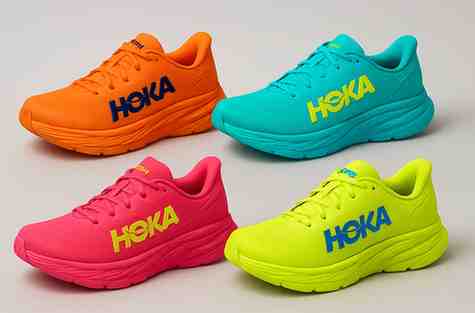
Beyond function, Hoka’s unique design aesthetic helped it break into mainstream fashion. The brand’s bold, chunky midsoles and vibrant colour combinations turned heads and aligned perfectly with the global trend of “maximalist sneakers.” What once seemed unconventional is now celebrated as modern and stylish. Furthermore, Hoka’s commitment to sustainability has strengthened its reputation for responsibility. The company continues to explore eco-friendly materials, reduce waste in production, and adopt sustainable packaging. This ethical approach adds depth to its identity, proving that Hoka shoes are not only about performance but also about purpose. The combination of technology, comfort, and environmental awareness makes Hoka one of the most respected names in contemporary footwear.
The Best Hoka Shoes: A Model for Every Runner and Lifestyle

One of the reasons Hoka shoes have achieved such massive success is the brand’s ability to cater to every type of runner and lifestyle. From daily trainers to racing models, and from hiking boots to walking shoes, Hoka designs each pair with purpose. The Hoka Clifton series, for example, remains one of the most beloved choices for road runners. It’s lightweight, well-cushioned, and ideal for both beginners and experienced athletes who want a smooth, balanced ride. Similarly, the Bondi line is known for maximum comfort and is often recommended for recovery runs or long hours of standing. Its soft midsole and stable base make it a favourite among healthcare workers and marathoners alike.
For those seeking performance-focused footwear, the Hoka Mach and Rocket X series are top contenders. The Mach blends speed and cushioning, making it perfect for tempo workouts or race day, while the Rocket X brings carbon-plate technology to maximise propulsion. On the other hand, trail runners find unmatched confidence in the Speedgoat and Challenger models, which deliver traction, grip, and protection over rough terrain. Each of these models is designed to address specific needs, proving that Hoka shoes are not one-size-fits-all but rather a carefully engineered family of performance footwear. Whether you run, walk, or hike, there’s a Hoka waiting to enhance your every step.
Everyday Comfort Meets Cutting-Edge Design
What makes Hoka shoes stand out beyond running performance is how well they integrate into everyday life. Many people who have never run a mile still choose Hoka for their unparalleled comfort. Their signature cushioned midsoles make them ideal for walking, travelling, or long work shifts. The shoes’ broad base enhances stability, while the lightweight construction prevents foot fatigue, even after extended use. Over time, they mould slightly to your feet, offering personalised comfort that feels as supportive on day 100 as it does on day one.
Moreover, Hoka has mastered the art of blending comfort with contemporary aesthetics. The bold design that once seemed unconventional now defines urban sneaker culture. Fashion-forward consumers appreciate that Hoka shoes don’t just perform, they also look great with casual and streetwear outfits. Models like the Clifton LS and Transport have become fashion staples, merging running technology with lifestyle appeal. This dual-purpose design philosophy reflects Hoka’s deep understanding of what modern consumers value: versatility, durability, and distinctive style. With each release, the brand proves that comfort and trendsetting design can coexist beautifully.

Trusted by Experts: What Makes Hoka Shoes a Medical Favourite
Beyond athletes and fashion lovers, Hoka shoes have earned a strong reputation among medical professionals and podiatrists. Their exceptional cushioning and stability make them a top recommendation for individuals dealing with foot conditions such as plantar fasciitis, bunions, and arthritis. Many wearers report that switching to Hoka significantly reduces pain, improves alignment, and supports recovery. This level of trust among healthcare experts is no coincidence; it’s a result of years of research into biomechanics, impact absorption, and gait optimisation.
The brand’s dedication to scientific design has led to several models receiving the American Podiatric Medical Association (APMA) Seal of Acceptance. This certification highlights footwear that promotes foot health and comfort. The deep midsole, structured arch support, and rockered geometry all work together to reduce strain on joints and muscles. As a result, Hoka shoes are not only performance-driven but also medically beneficial. They serve as a bridge between sports innovation and healthcare needs, offering wearers a safe, supportive solution for everyday movement. Whether you’re recovering from an injury or preventing one, Hoka provides the foundation your feet deserve.
The Pros and Cons of Hoka Shoes: Are They Right for You?
Like any advanced footwear, Hoka shoes come with both strengths and minor drawbacks. The most celebrated feature is their cushioning, which provides a plush, cloud-like feel underfoot. For long-distance runners, walkers, and professionals who spend hours on their feet, this level of comfort is unmatched. The maximalist design also absorbs shock exceptionally well, helping reduce fatigue and muscle strain. Additionally, the shoes’ rockered geometry encourages a natural forward motion, improving stride efficiency. This makes Hoka ideal for recovery runs, injury prevention, and anyone looking for a soft yet stable platform. Moreover, the wide sole base gives better balance, which is particularly beneficial for users with flat feet or overpronation.
However, some wearers find Hoka shoes bulkier than traditional running shoes. The thick midsole, while comfortable, can feel unusual for those accustomed to minimalist footwear. A few models are also on the pricier side, reflecting their premium materials and advanced technology. Transitioning from a minimalist shoe to Hoka may require a short adjustment period as your muscles adapt to the different heel-toe dynamics. Still, for most users, the benefits far outweigh the drawbacks. Once your body adjusts to the cushioning, the overall experience becomes smoother, safer, and more enjoyable. The brand’s continuous innovation ensures that even its “heavier” designs remain lightweight compared to older versions.

Buying and Caring for Your Hoka Shoes
Investing in Hoka shoes is an investment in comfort, but choosing the right pair is essential. Before buying, consider your running or walking habits, arch type, and preferred surface. If you’re mainly a road runner, the Clifton or Bondi line offers the right blend of softness and responsiveness. For trail lovers, the Speedgoat and Challenger models provide durability and grip. When trying on Hoka, make sure there’s adequate space in the toe box and that your heel sits snugly in the frame. This ensures optimal stability and prevents blisters. Many stores also offer gait analysis, which helps match your stride to the correct Hoka model.
Caring for your shoes will prolong their lifespan and maintain performance. After every use, allow them to air dry naturally and avoid direct heat. Clean off mud or dirt using a soft brush and mild soap, as harsh chemicals can damage the foam structure. It’s also wise to rotate between two pairs if you train frequently this gives the cushioning time to rebound. On average, Hoka shoes last between 400 and 600 miles, depending on usage. Replacing them at the right time ensures you maintain the same level of protection and support that makes Hoka unique. By maintaining them well, your investment continues to deliver value run after run.
Sustainability and Innovation: Hoka’s Commitment to the Future
Beyond performance, Hoka shoes also reflect the brand’s growing commitment to sustainability. As global consumers become more eco-conscious, Hoka has taken meaningful steps to reduce its environmental impact. The brand now uses recycled polyester in uppers, biodegradable materials in select models, and eco-friendly packaging. Their design teams constantly experiment with bio-based foams and water-saving dye techniques. Each innovation represents Hoka’s belief that comfort and responsibility can coexist. By integrating sustainability into their production processes, the company not only protects the planet but also strengthens consumer trust.
Transparency plays a major role in Hoka’s sustainability journey. The brand openly shares progress reports and collaborates with environmental organisations to improve standards. These initiatives showcase a deep understanding of EEAT principles, Expertise, Experience, Authoritativeness, and Trustworthiness, proving that Hoka’s leadership extends beyond performance shoes. As the footwear industry moves toward ethical manufacturing, Hoka shoes continue to set an inspiring example. They are a reminder that innovation doesn’t stop at comfort; it also includes accountability and care for the world we walk on. Also read https://thebeautyduty.com/2025/11/04/vegamour-gro-hair-serum/

Conclusion
Over the years, Hoka shoes have transformed from a daring experiment into a global benchmark for comfort and innovation. Their science-driven approach to design has revolutionised how athletes and everyday individuals experience movement. By combining plush cushioning, biomechanical support, and cutting-edge materials, Hoka has created footwear that prioritises both performance and protection. From the rugged trails of mountain ultramarathons to the busy floors of hospitals and airports, these shoes have proven their worth. Every step in a Hoka reflects years of research, craftsmanship, and a passion for helping people move better.
As consumers seek footwear that blends health benefits with modern aesthetics, Hoka’s future shines even brighter. The brand’s expanding lifestyle collections ensure that comfort extends beyond the track and into daily fashion. With sustainability at its core and innovation driving its every stride, Hoka remains more than a shoe company; it’s a movement toward better living. Whether you’re a runner chasing personal records or someone simply seeking lasting comfort, Hoka shoes are built to make every journey lighter, smoother, and more enjoyable. Truly, it’s always “time to fly.”
FAQs
1. Are Hoka shoes good for long runs?
Yes, they offer great cushioning and comfort for long-distance running.
2. Do Hoka shoes fit true to size?
Mostly yes, though some models run narrow.
3. Can non-runners wear Hoka shoes?
Absolutely — they’re great for walking and daily wear too.
4. How long do Hoka shoes last?
Usually 300–500 miles, depending on usage.
5. What makes Hoka shoes special?
Their lightweight build, thick cushioning, and meta-rocker design.